

When delivering a pump station, performance is about more than hydraulics and controls. The structure that houses the pumps, switchboards and mechanical equipment plays a critical role in protecting assets, enabling safe maintenance and ensuring long-term reliability.
Precast concrete buildings have become a preferred solution for pump room housing across water transfer projects. At QMAX, we integrate precast concrete pump rooms into our turnkey pump station solutions to deliver durability, efficiency and whole-of-life value.
Pump stations contain high-value mechanical and electrical assets that must operate reliably in demanding environments. A precast concrete pump room provides robust structural protection against:
Concrete is inherently non-combustible and highly durable, making it well suited to safeguarding essential water infrastructure. The mass and strength of precast panels provide a secure enclosure that protects pumps and control systems for decades.
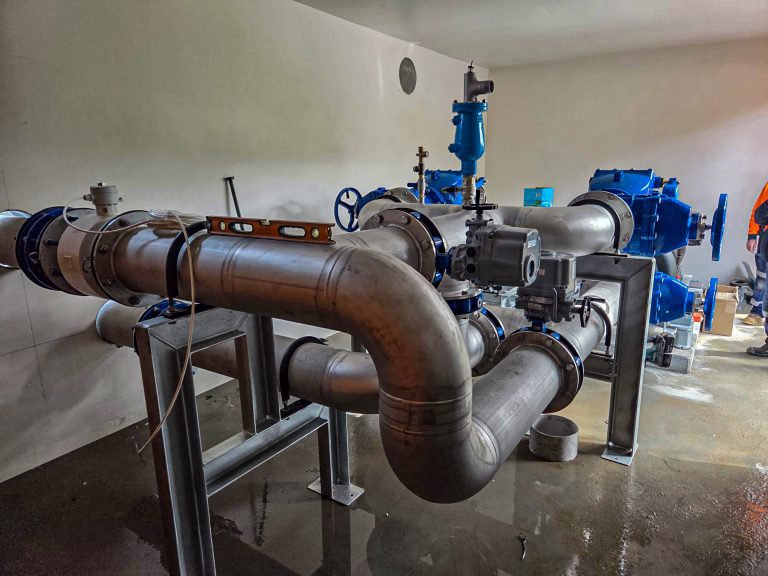
One of the key advantages of precast concrete buildings is speed of installation. Manufactured off-site in controlled factory conditions, the structure arrives ready for placement. This significantly reduces on-site construction time compared with traditional block or in-situ builds.
For councils, developers and civil contractors, this means:
On projects with tight deadlines or live service requirements, faster installation can make a substantial difference.
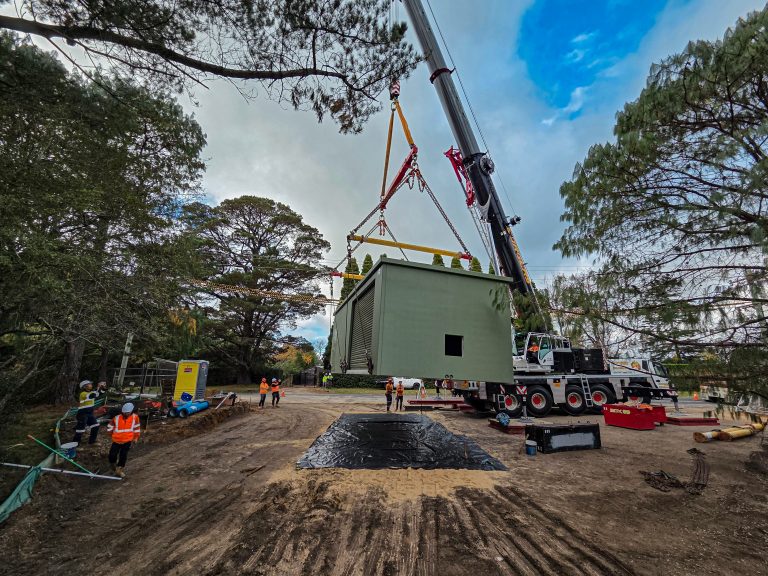
A pump room must do more than enclose equipment — it must allow for safe and efficient maintenance. Precast concrete buildings can be engineered to include:
These features enable safe pump removal and replacement without relying solely on external cranes, reducing downtime and improving long-term serviceability. Designing for maintenance at the outset lowers operational risk and whole-of-life costs.
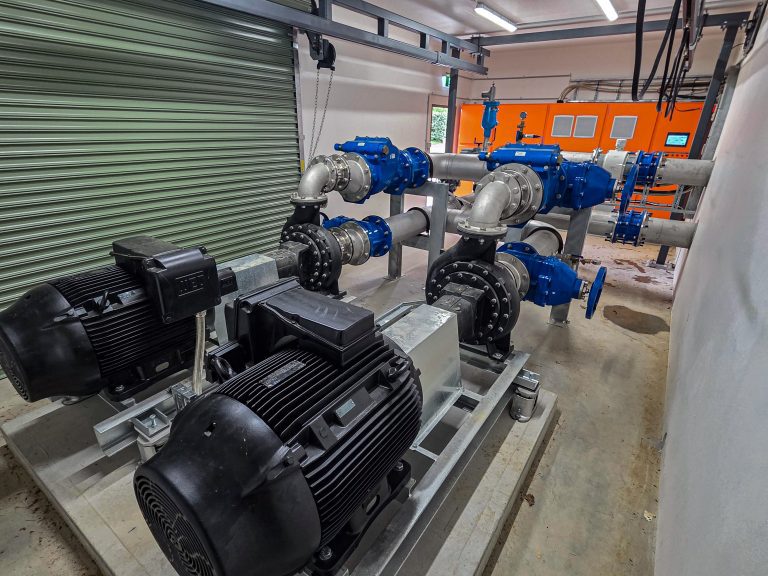
Heat build-up can significantly impact electrical and mechanical components within a pump station. Precast concrete pump rooms can incorporate passive ventilation, louvres or mechanical ventilation systems to maintain airflow and manage internal temperatures.
Proper ventilation helps:
By combining structural strength with engineered ventilation solutions, precast buildings support optimal equipment performance.
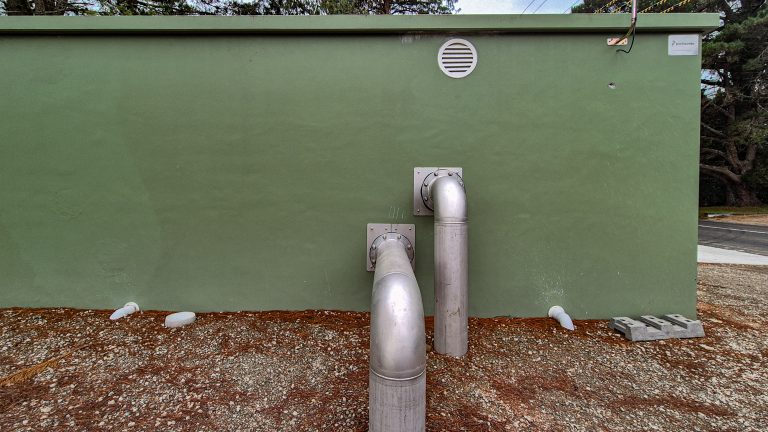
Many modern pump stations are located near residential developments. Noise management is therefore an important design consideration.
The natural mass of concrete provides excellent sound attenuation. A precast concrete pump room helps reduce operational noise transfer to surrounding areas, making it particularly suitable for urban or community-sensitive environments. This acoustic benefit can reduce the need for additional sound mitigation measures.
Precast concrete buildings are engineered for long service life. They resist corrosion, moisture, pests and general environmental degradation. Unlike lighter structures, they do not warp, rot or deteriorate quickly over time.
For asset owners, this delivers:
In critical water applications, reliability is essential — and the building itself plays a vital role in achieving it.
At the Eridge Park Water Transfer Pump Station, QMAX delivered a complete transfer pump station solution incorporating a purpose-built precast concrete pump room.
While the broader project included hydraulic, mechanical and electrical components, the precast structure forms a key part of the overall system — protecting critical assets, enabling safe crane access for maintenance and supporting long-term operational performance.
It demonstrates how a well-designed precast building enhances the effectiveness and resilience of the entire pump station.
At QMAX, we view pump rooms as integral components of the infrastructure system — not simply protective enclosures. By incorporating engineered precast concrete buildings into our water transfer stations, we deliver solutions that prioritise:
For projects requiring reliable, low-maintenance and future-ready pump room housing, precast concrete buildings provide a proven solution.
If you are planning a transfer or pump station project, speak with the QMAX team to explore how precast concrete pump rooms can support your infrastructure objectives.


