Client Feedback
“The communication was consistent and clear throughout the project. Your team was responsive, well-coordinated, and kept to the agreed timeline. We especially appreciated the proactive approach to identifying and resolving site issues early.
The end result met all expectations, reflecting the quality of work and the professionalism of your crew. Your commitment to delivering outcomes was clear, and your team was always respectful and professional, which didn’t go unnoticed. We’re looking forward to working together on future projects.”
Neelam Singh
Civil Project Manager | TRAZLBAT PTY LTD
Scope
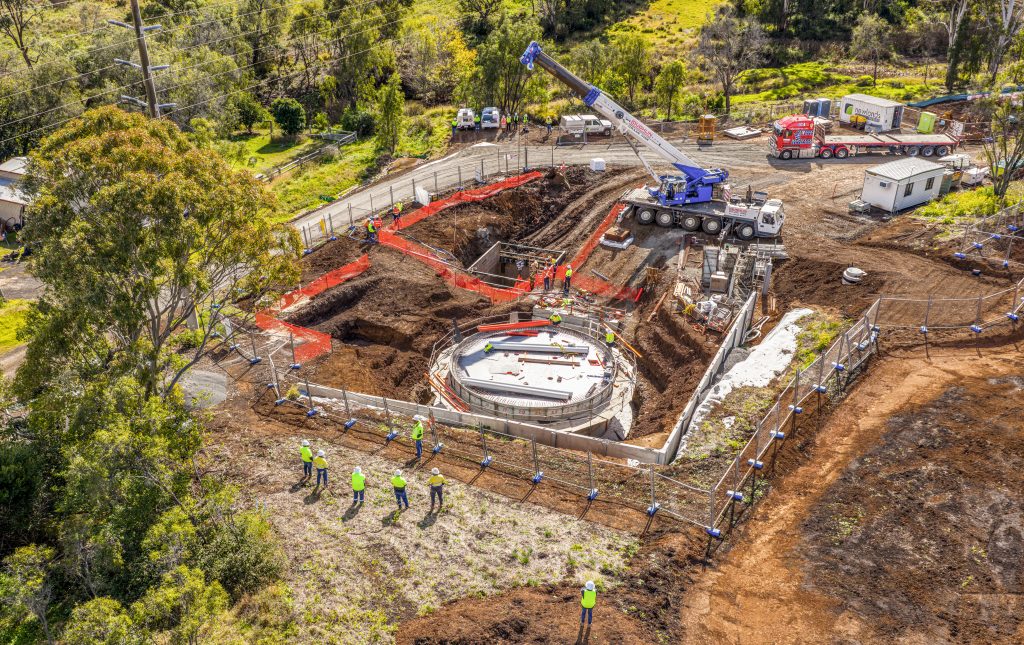
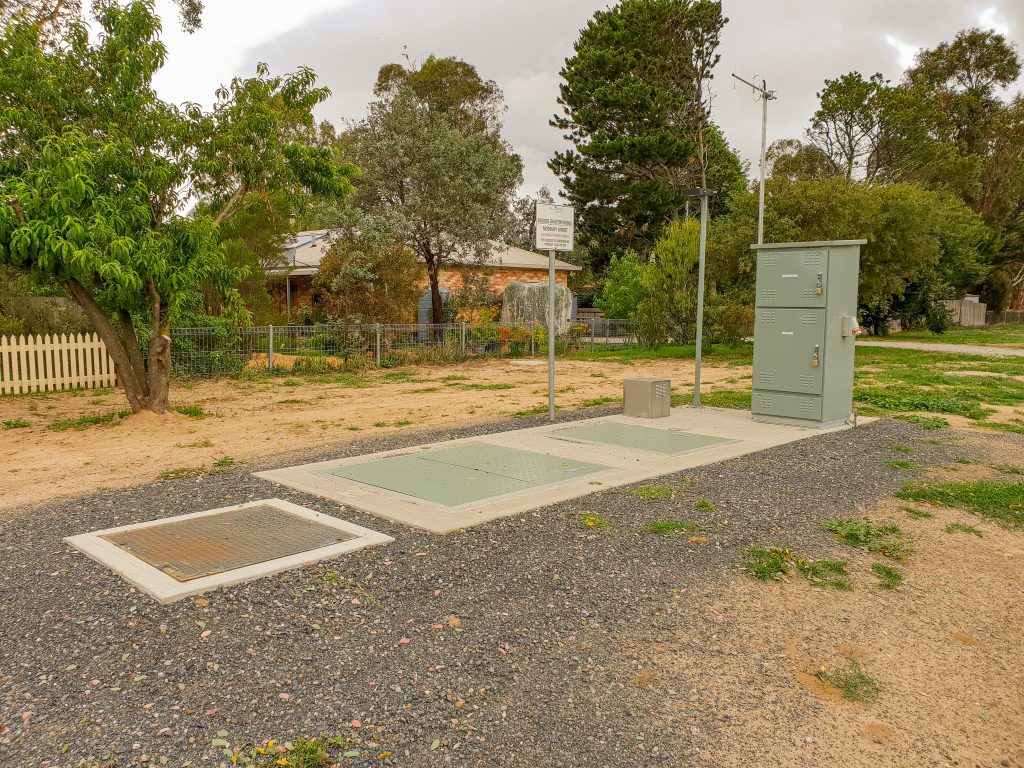
QMAX was engaged by Trazlbat in 2024 to deliver a comprehensive sewer pumping station solution for Walcha Council’s sewage network extension project on the northern end of town. The council had issued a tender for extending the existing sewer infrastructure along Thunderbolts Way/Uralla Road to service the Western End of Beaver Place industrial area, encompassing eight proposed industrial lots plus the John Oxley Sportsground amenities building.
The project scope encompassed complete design, supply, construction and commissioning of a sophisticated sewer pumping station capable of handling both current demand and future expansion requirements for this developing industrial precinct. Our engineering team worked collaboratively with Trazlbat to develop a robust solution that addressed the unique topographical challenges of the site, where natural gravity flow was insufficient, necessitating a combination of gravity and pressurised sewer systems with strategic pump station placement.
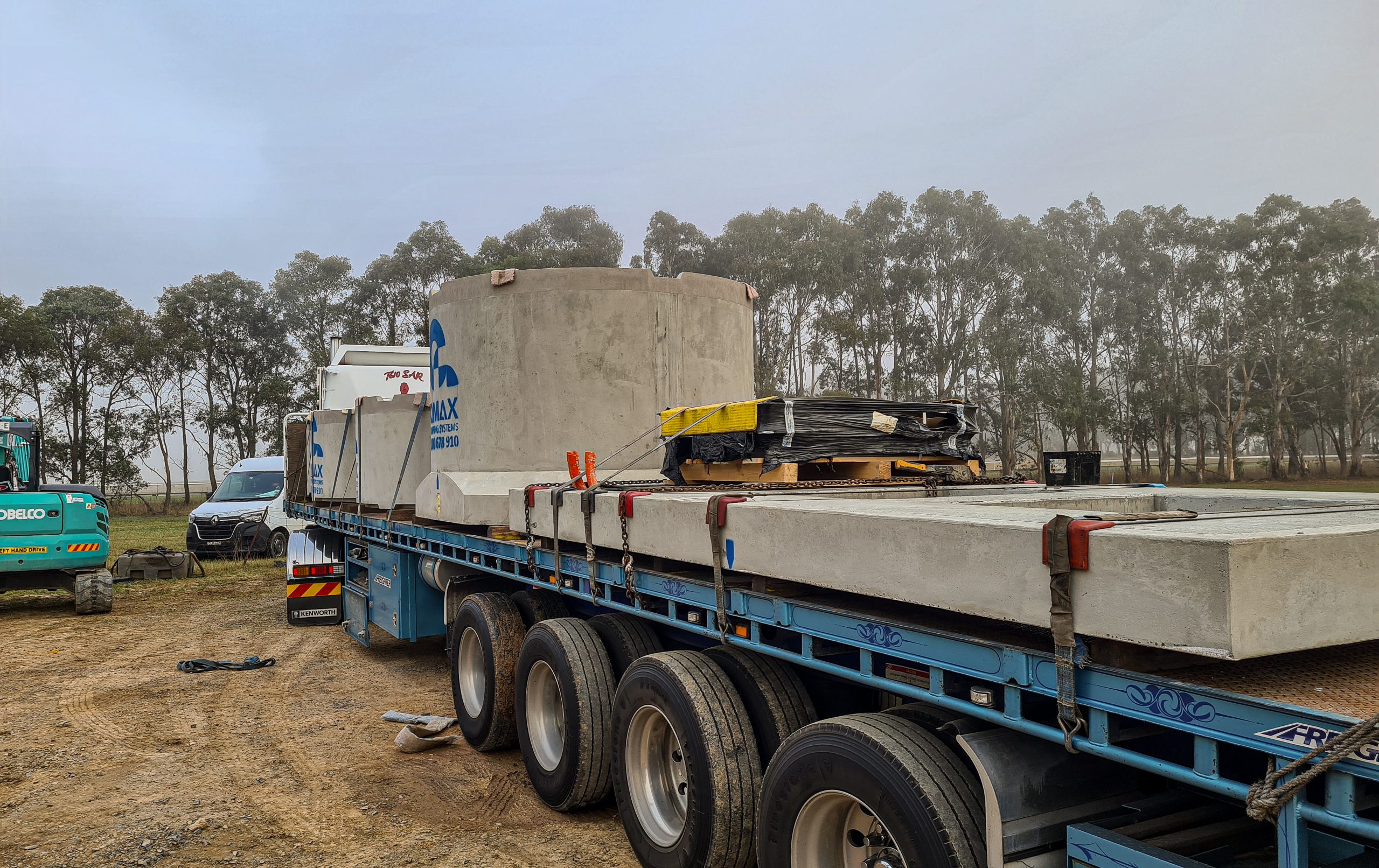
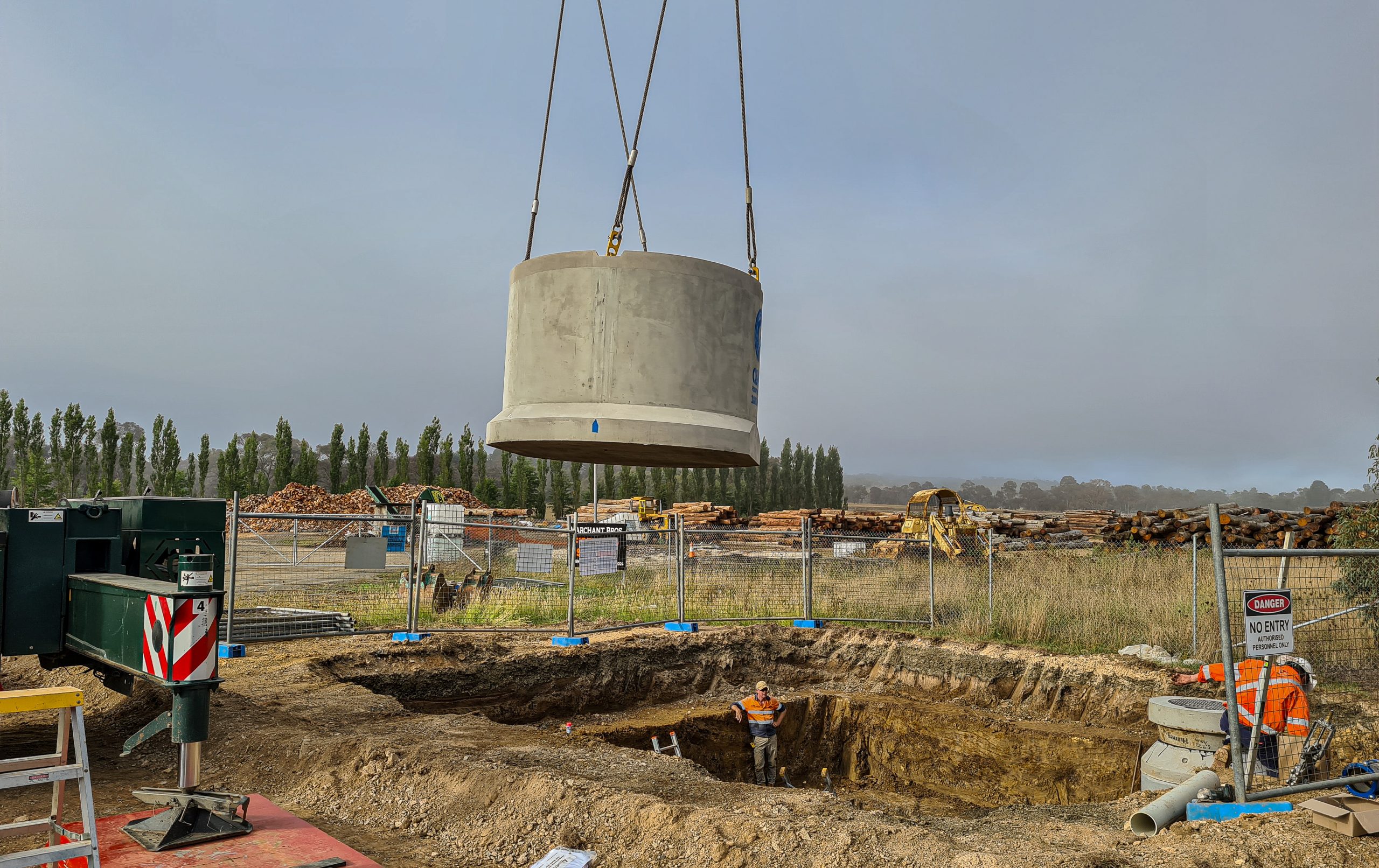
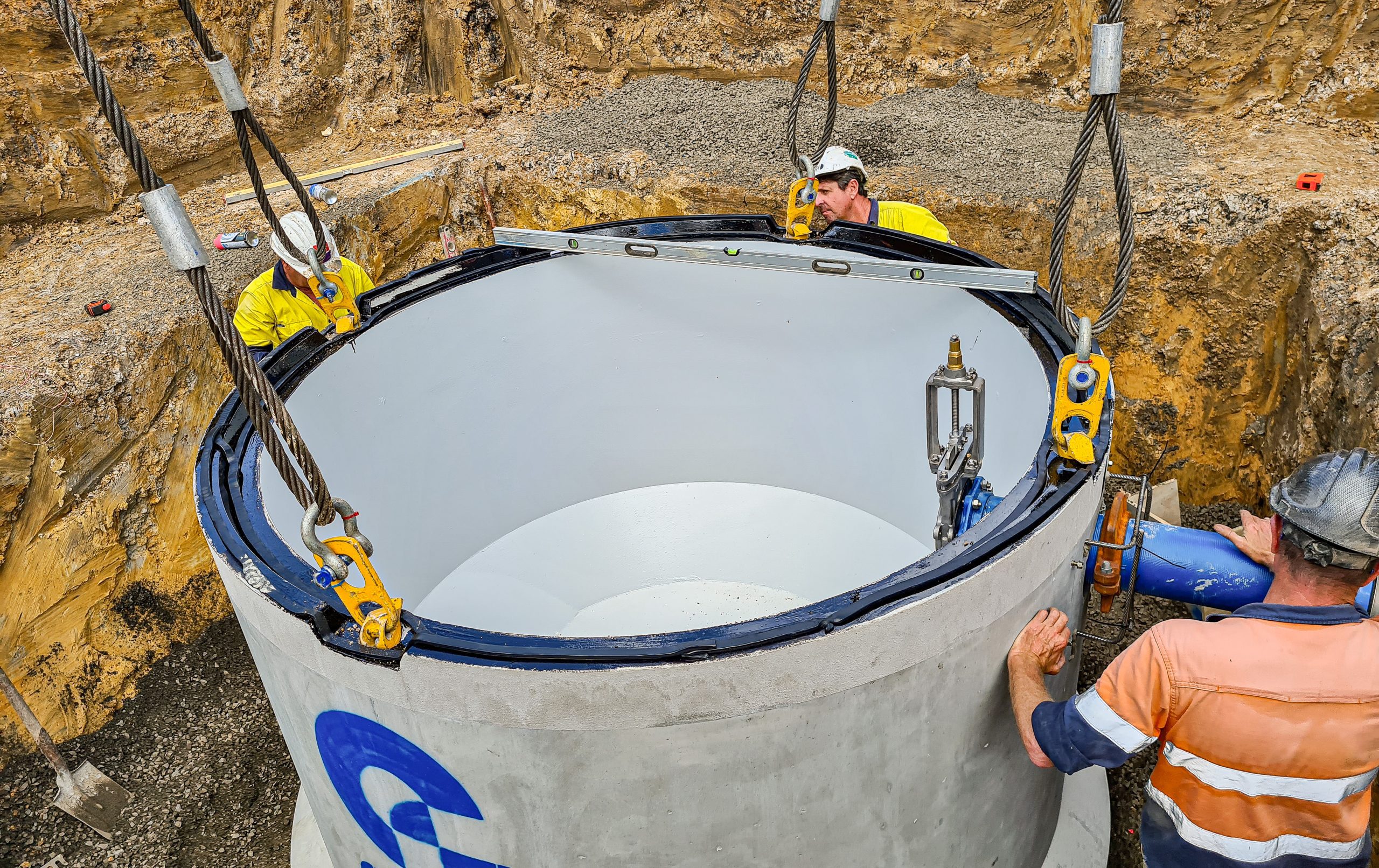
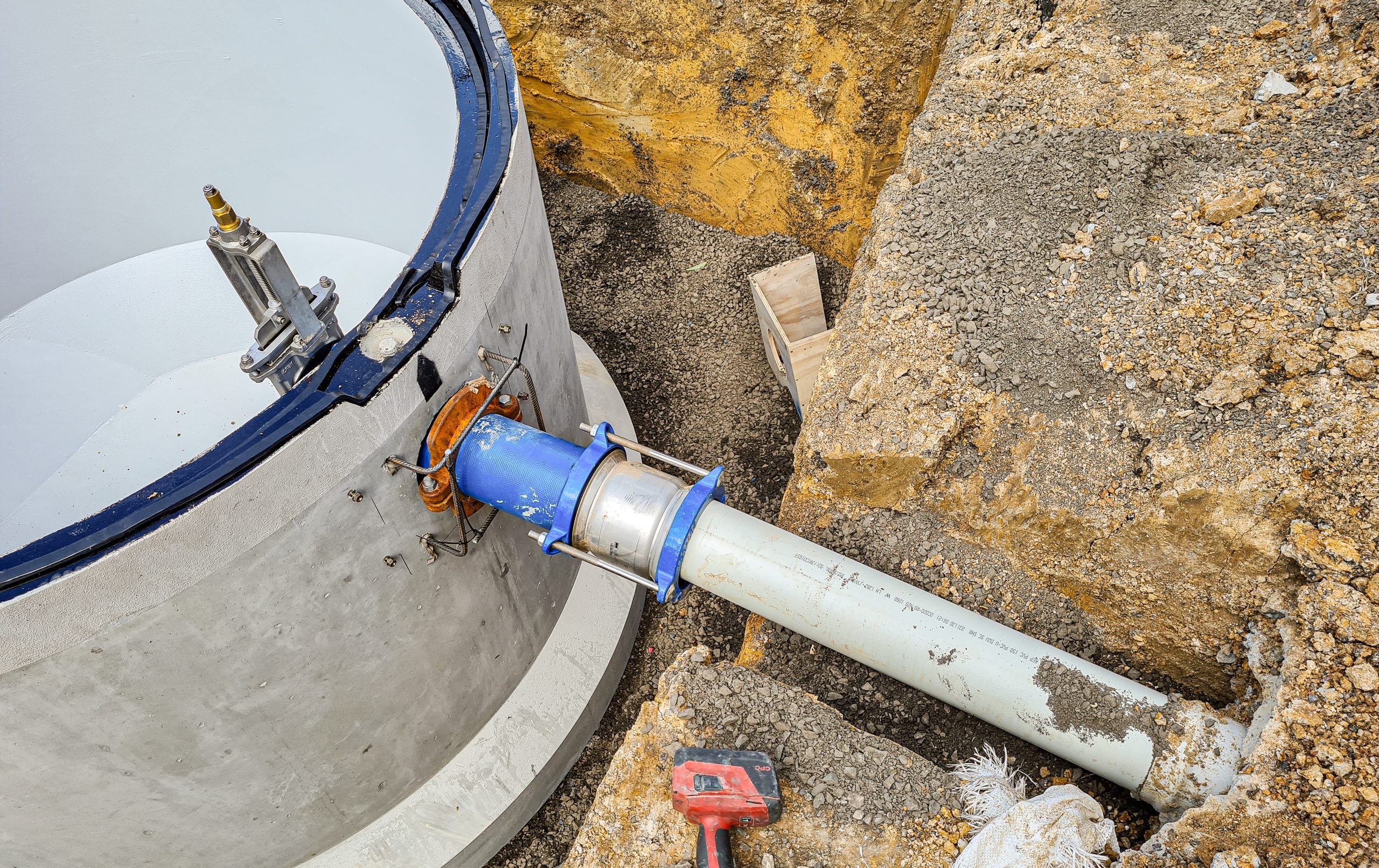
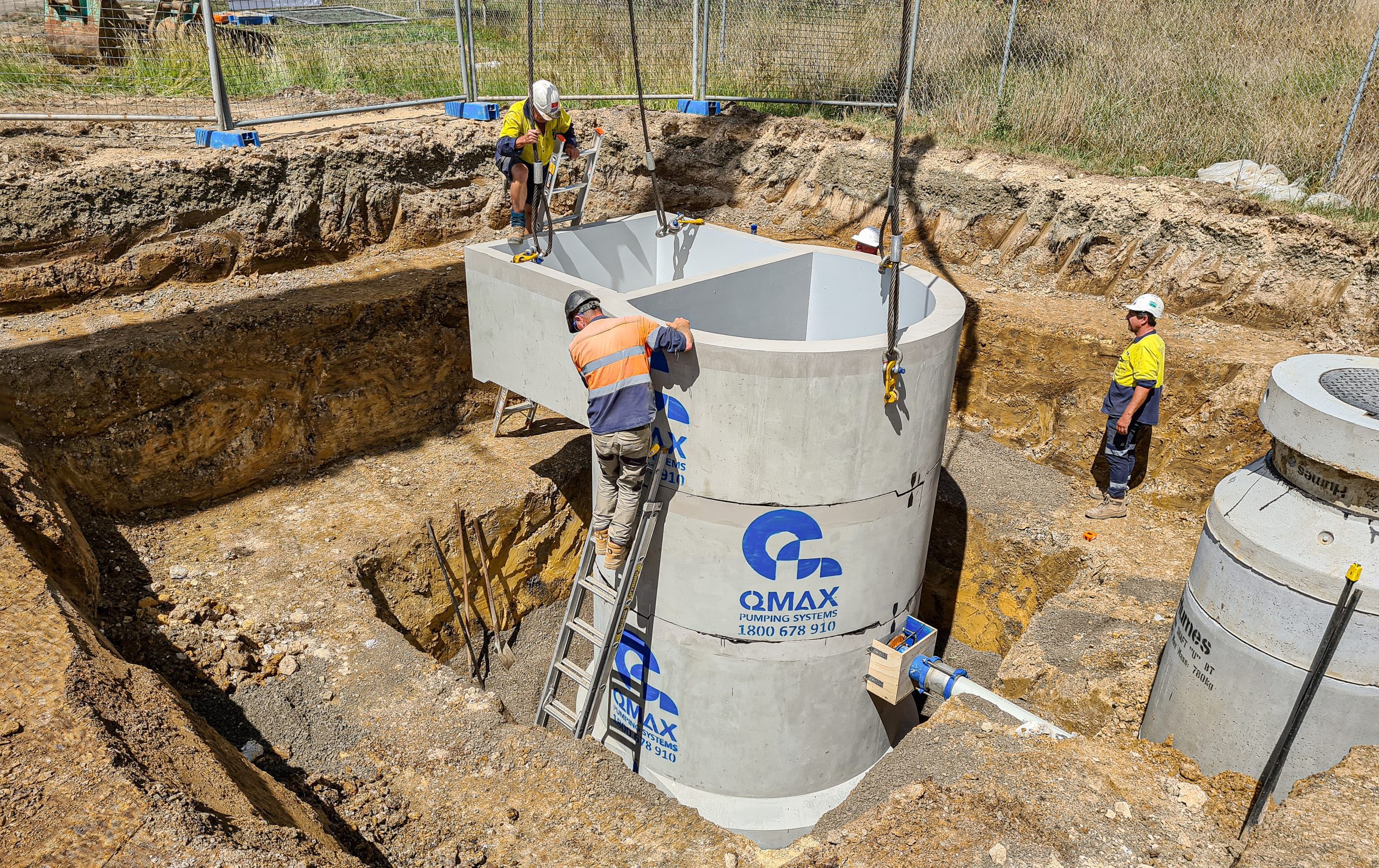
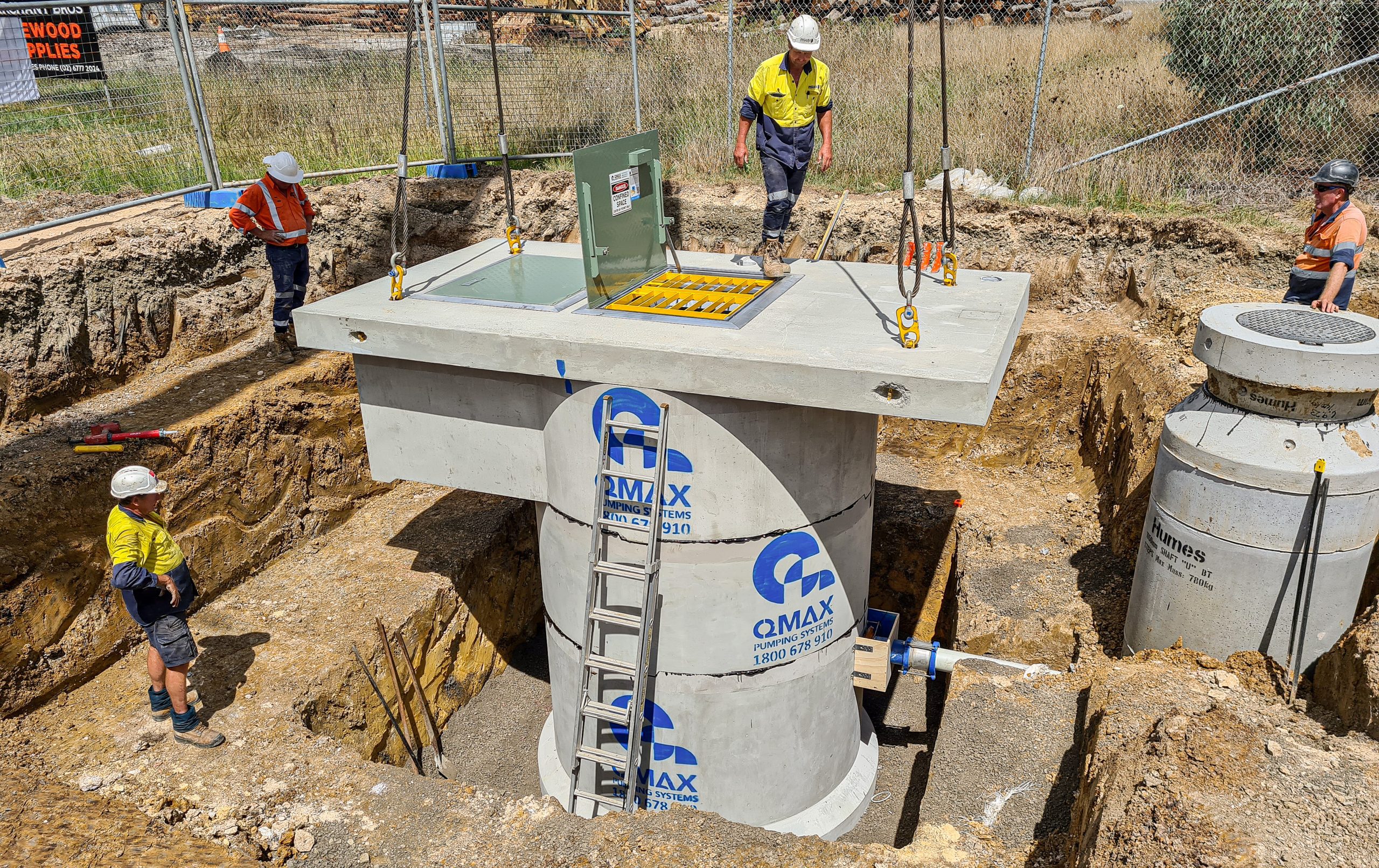
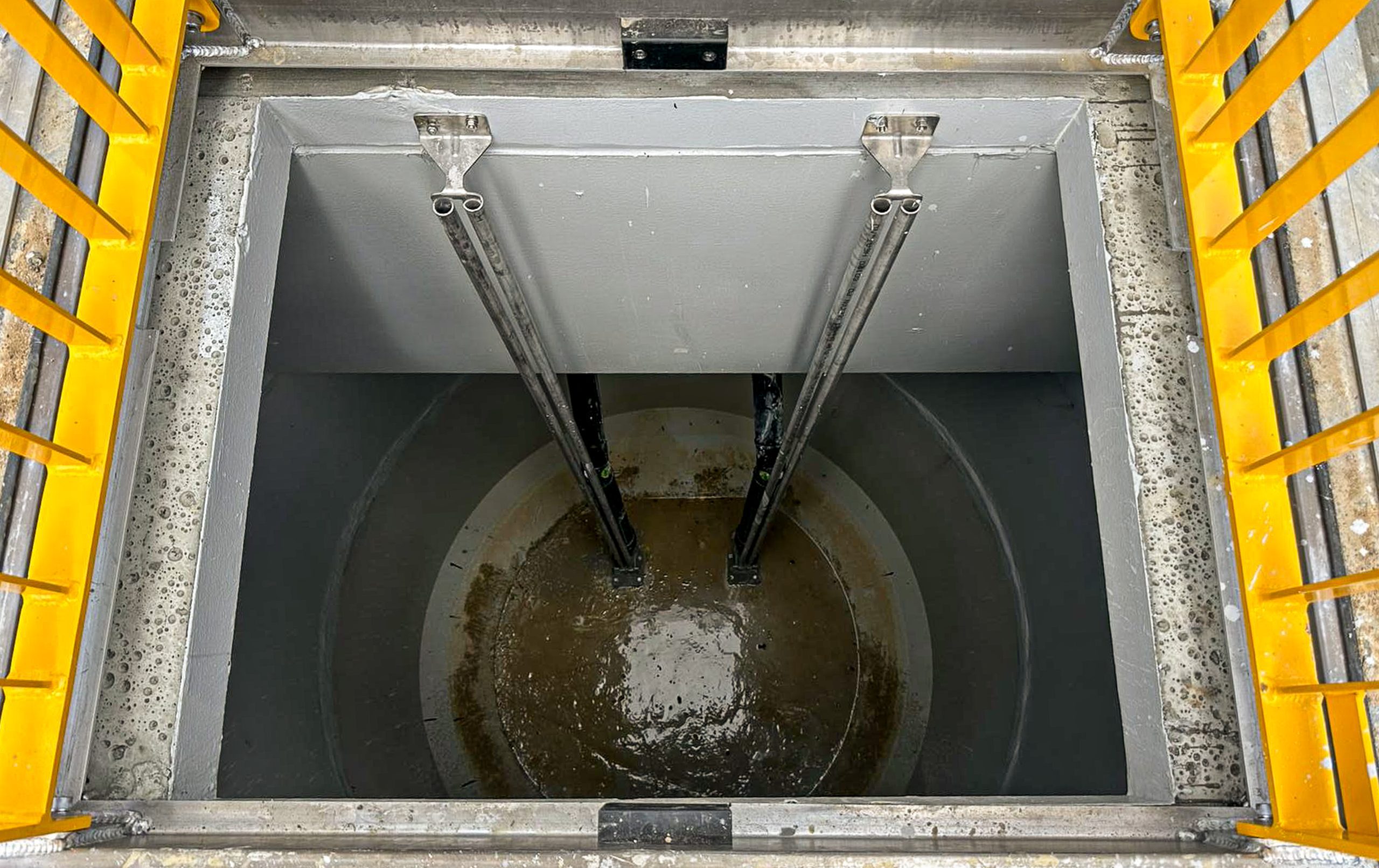
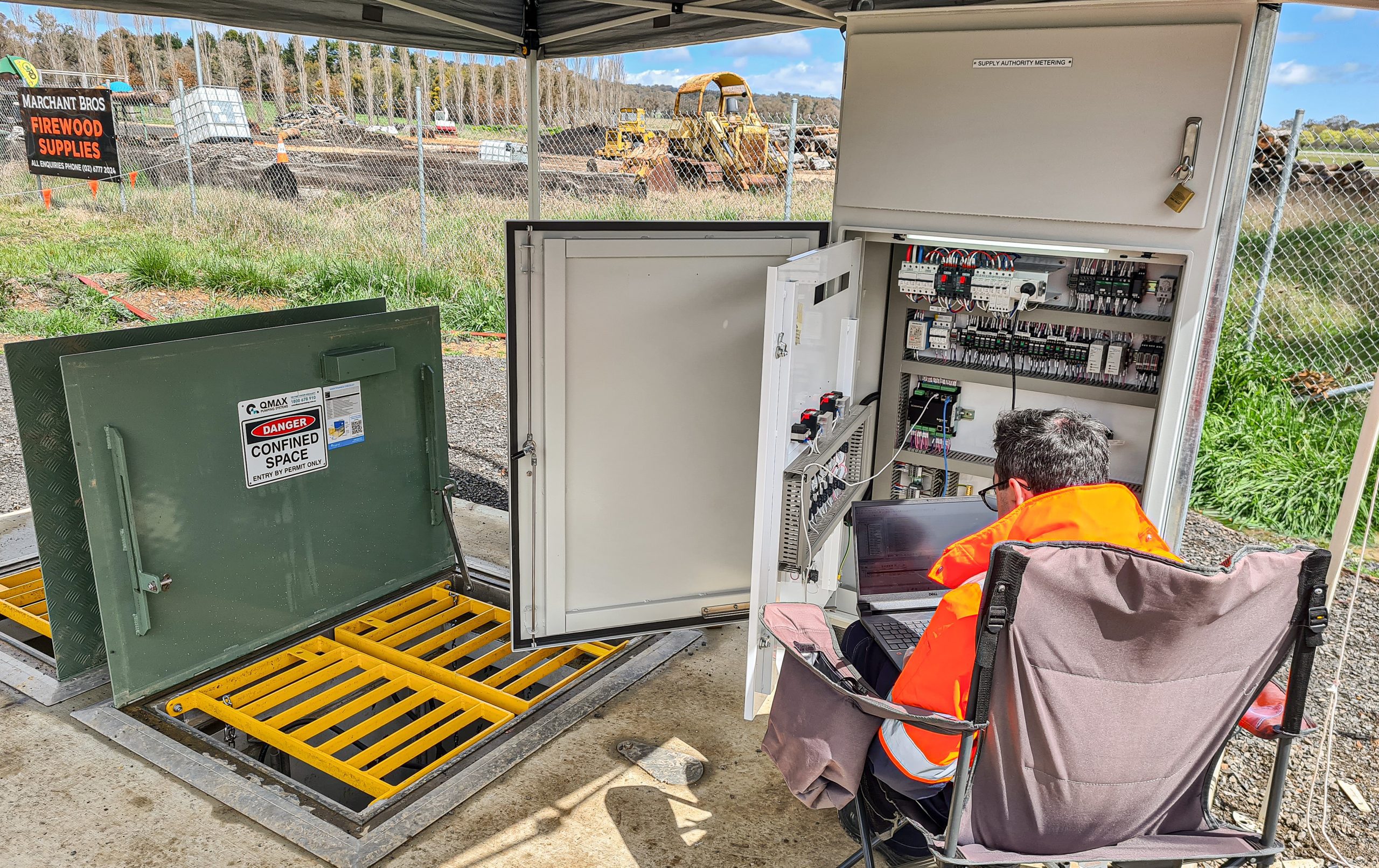
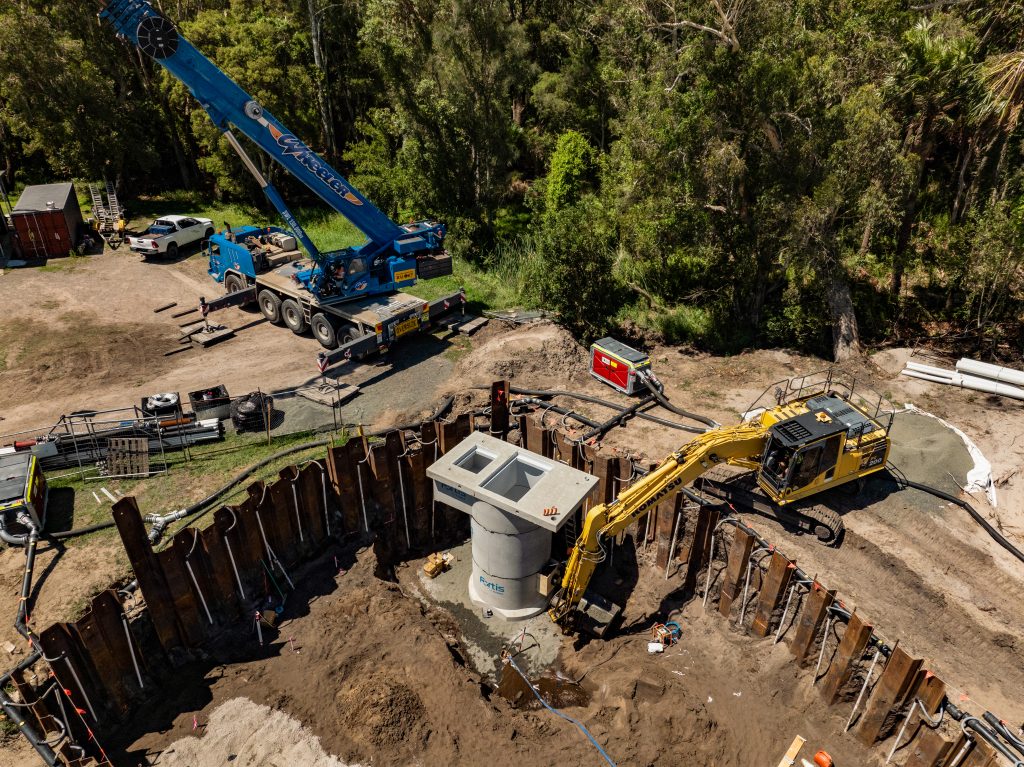
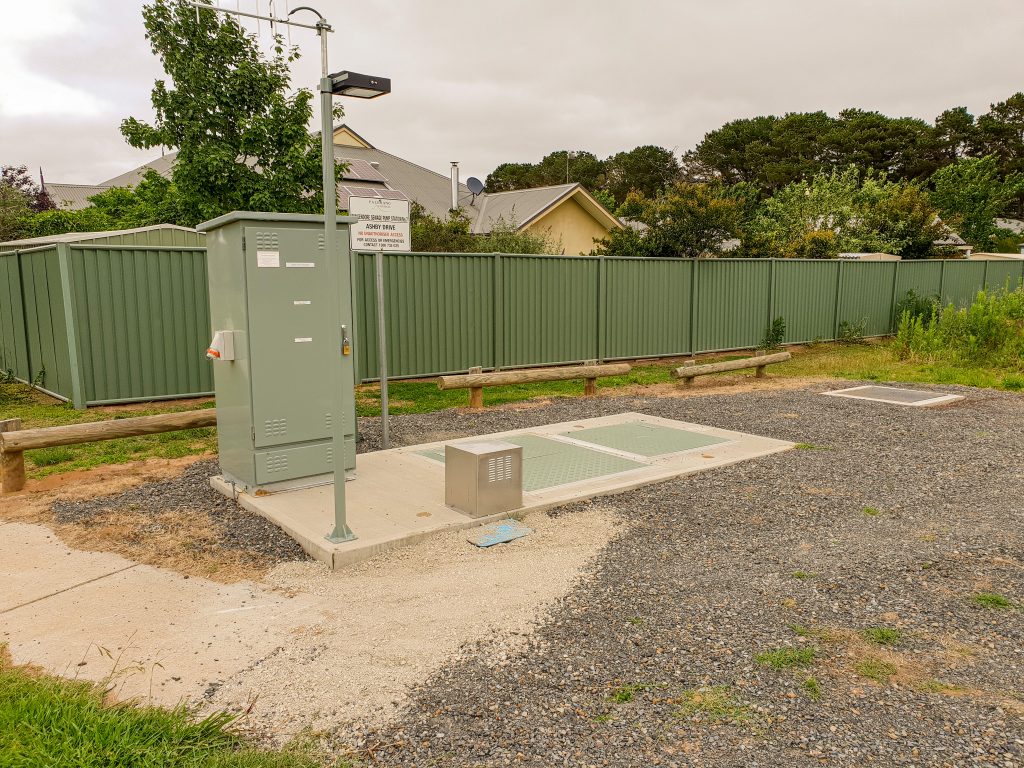
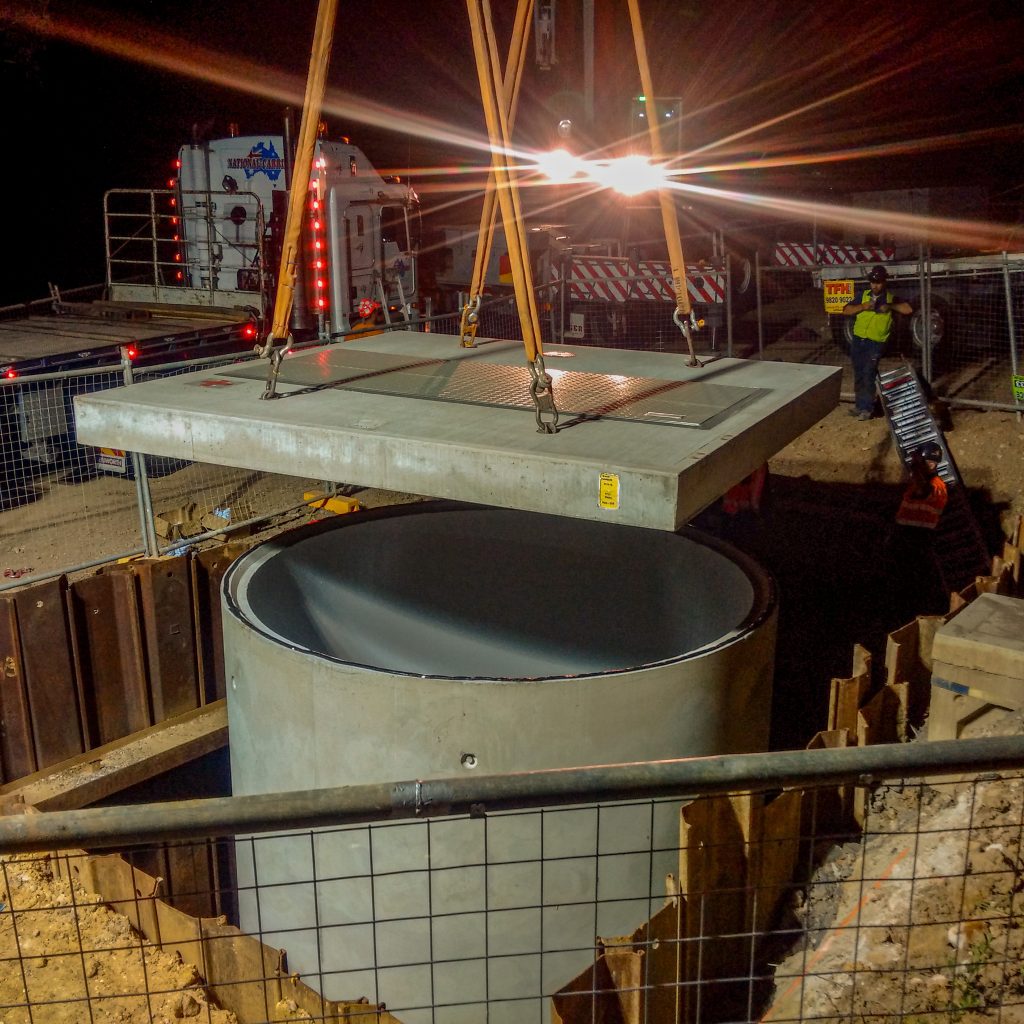
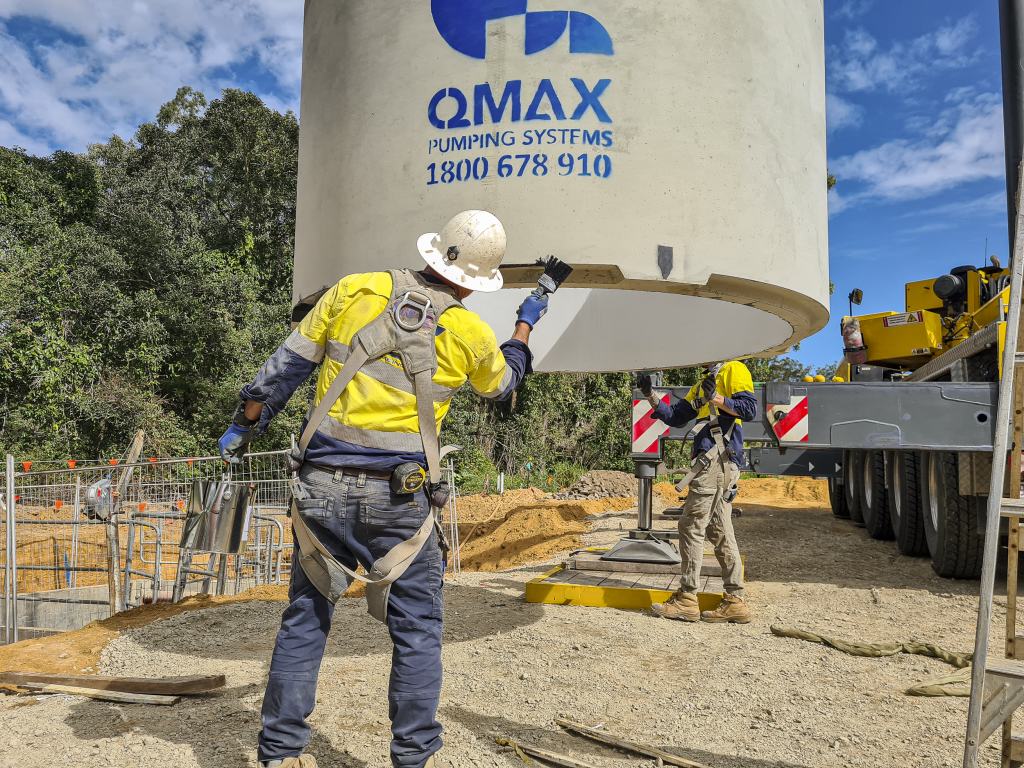
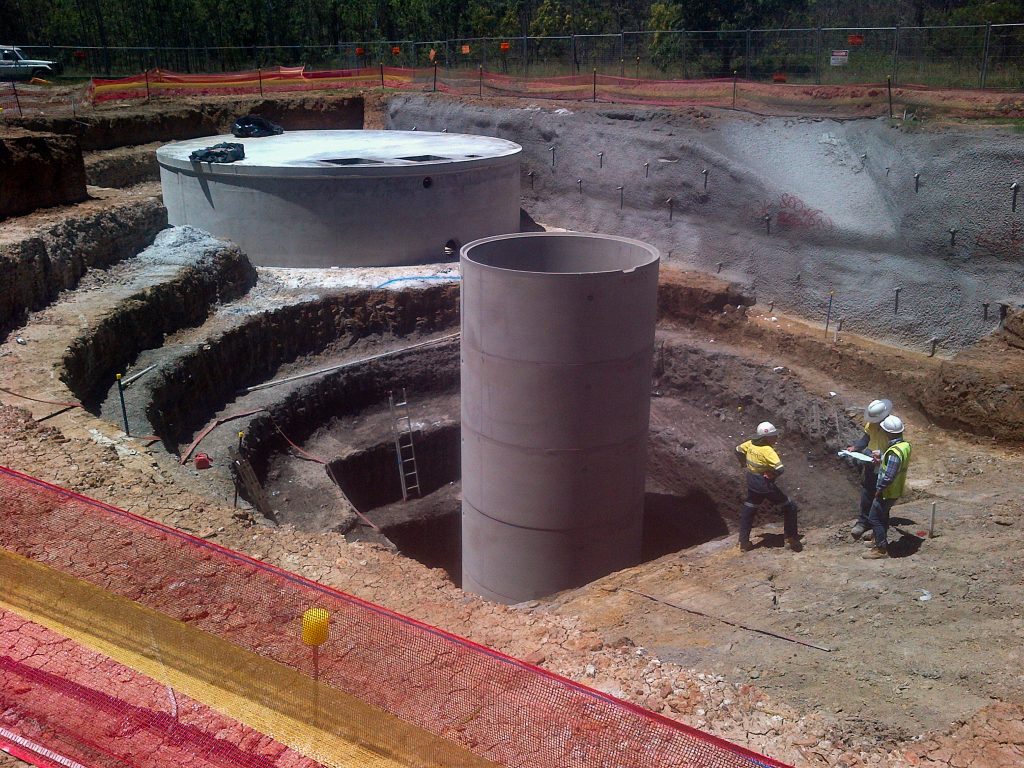
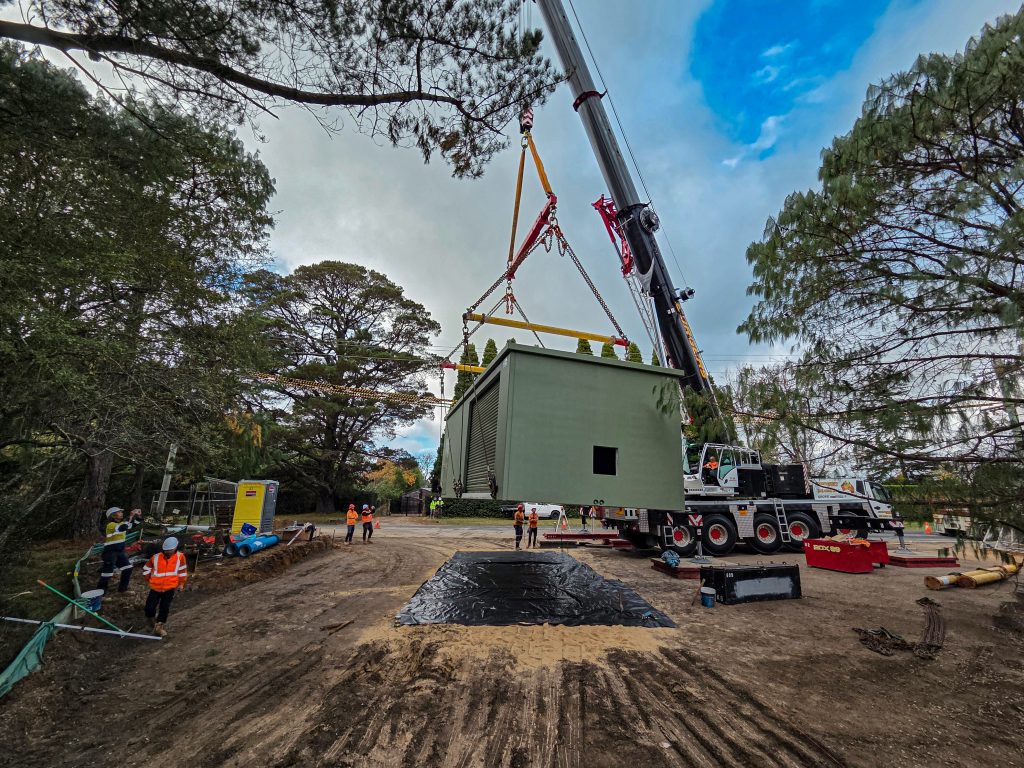
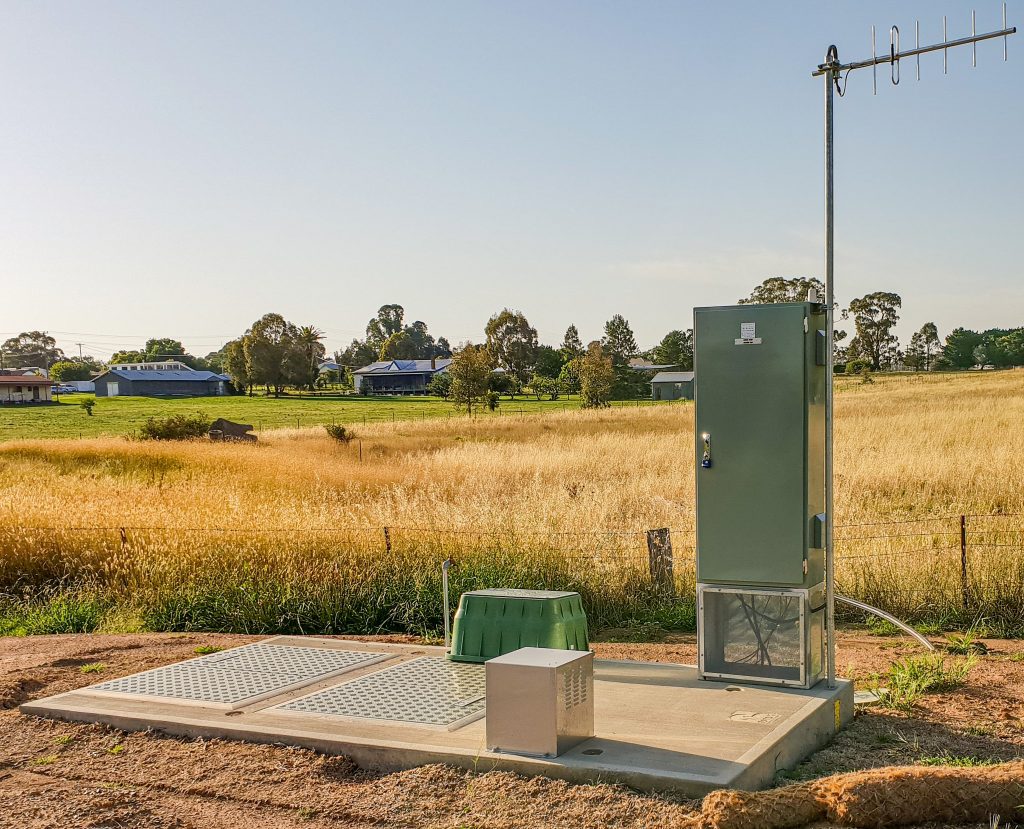
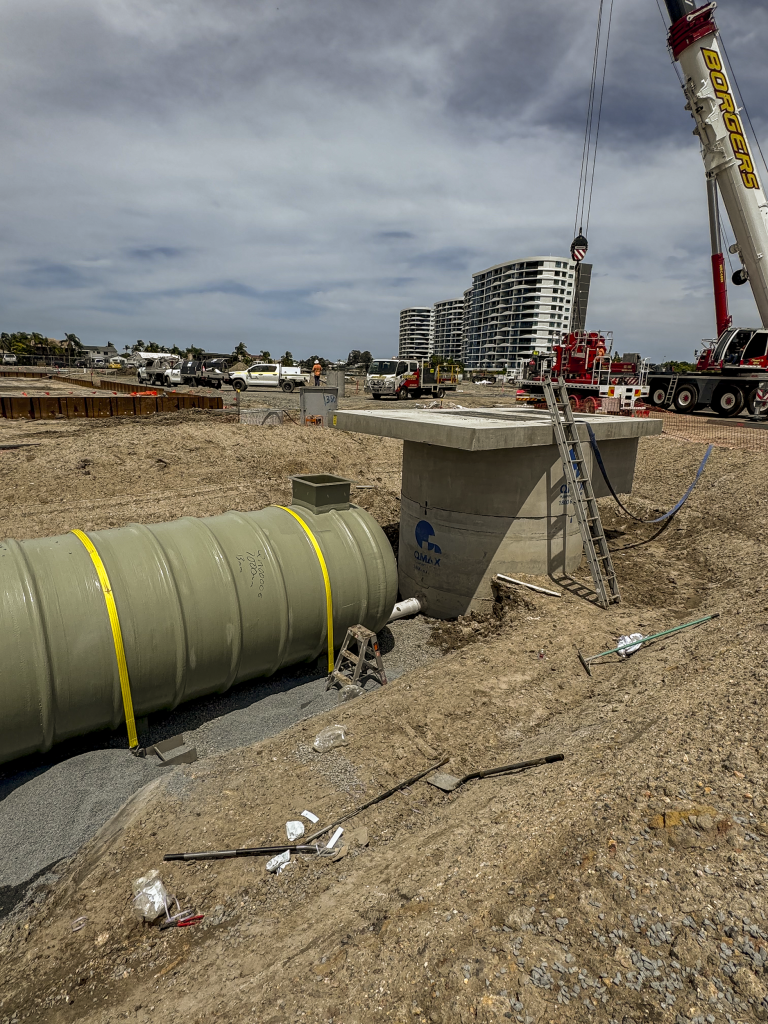
The technical specifications delivered included a substantial 2.2-metre diameter FORTIS pump well-constructed to a depth of 3.75 metres, incorporating dual Xylem MP3127 7.4kW submersible grinder pumps for reliable redundancy and operational flexibility. The installation featured high-density polyethylene pipework systems, DN80 flanged epoxy-coated valves for enhanced corrosion resistance, and premium aluminium access covers equipped with safety grates for secure maintenance access. Our scope encompassed the complete electrical infrastructure including the pumping station’s control panel and all associated electrical components required for seamless integration with council monitoring systems.
This holistic project delivery methodology ensured Walcha Council received a turnkey solution that met their immediate operational requirements while providing scalability for anticipated industrial development growth in the Beaver Place precinct. The project was successfully completed and commissioned in September 2024.
Challenges
The Walcha sewer extension project presented multifaceted engineering challenges requiring innovative solutions and meticulous planning throughout design and construction phases. The primary complexity arose from the area’s challenging topographical characteristics, which necessitated careful hydraulic analysis to determine optimal pump station positioning and sizing requirements. The natural terrain prevented conventional gravity sewer flow, demanding sophisticated understanding of hydraulic gradients and pressure differentials.
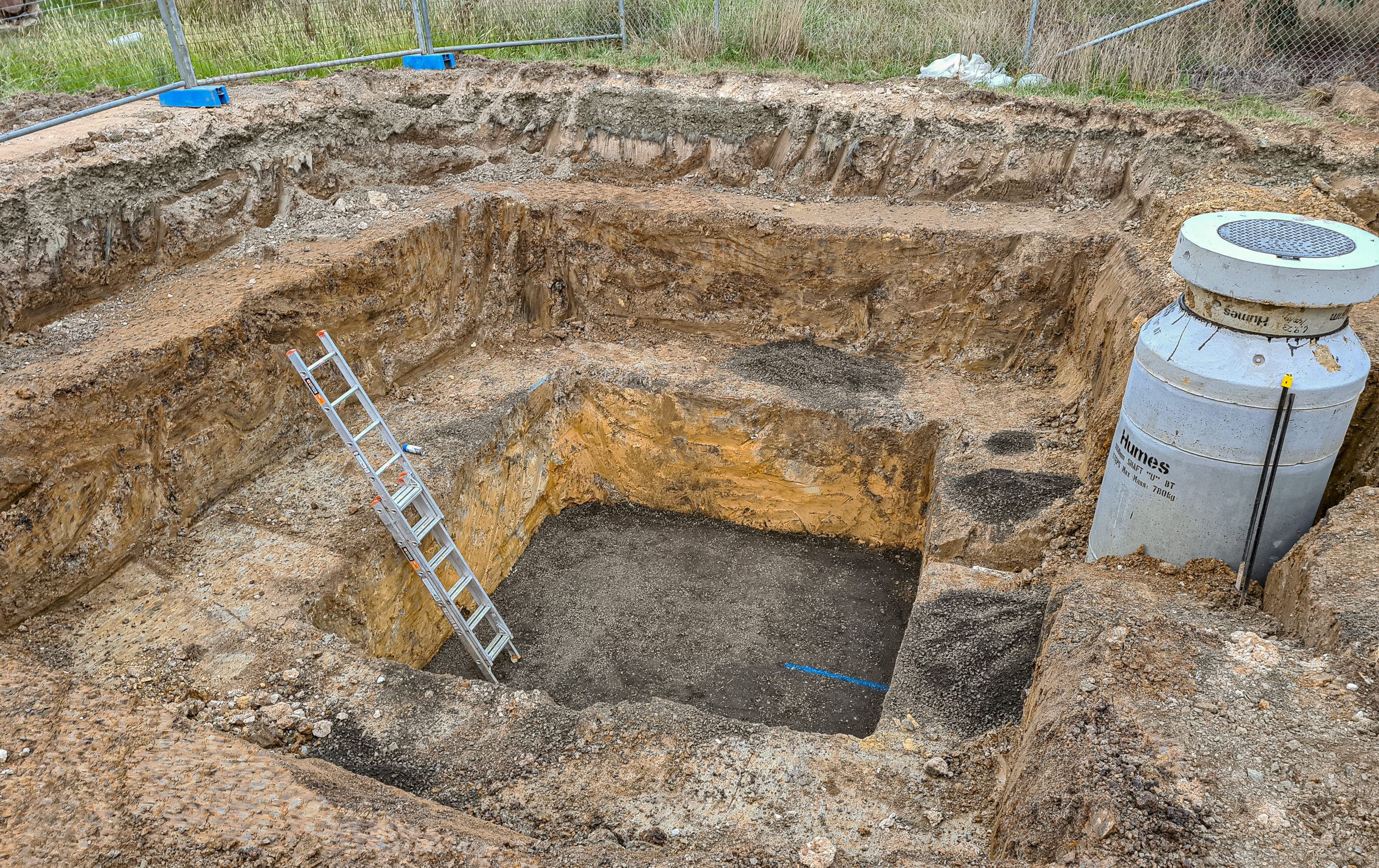
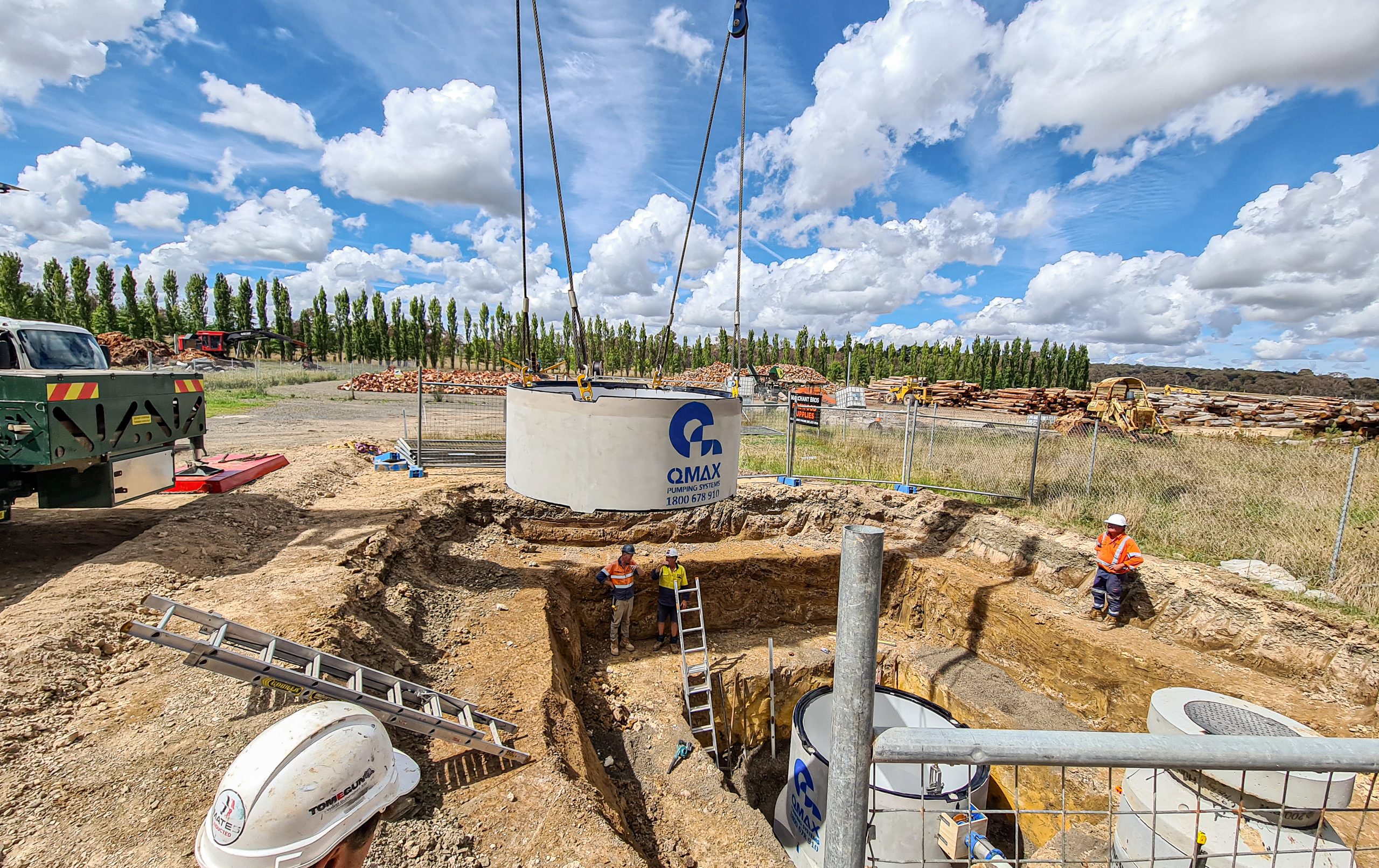
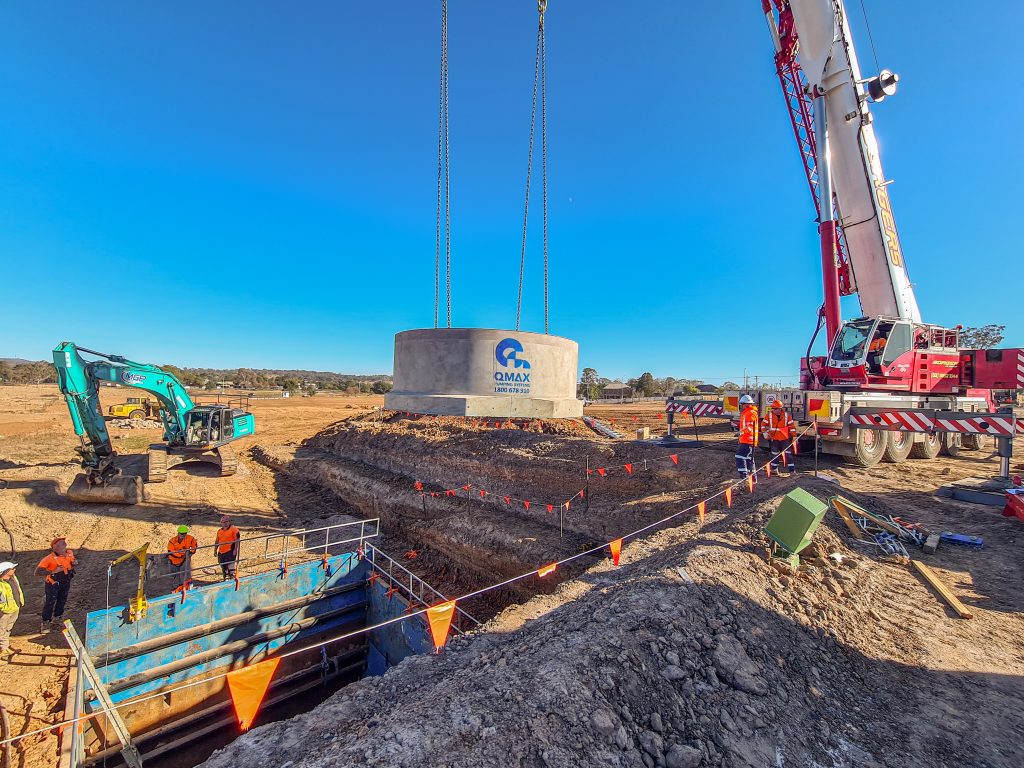
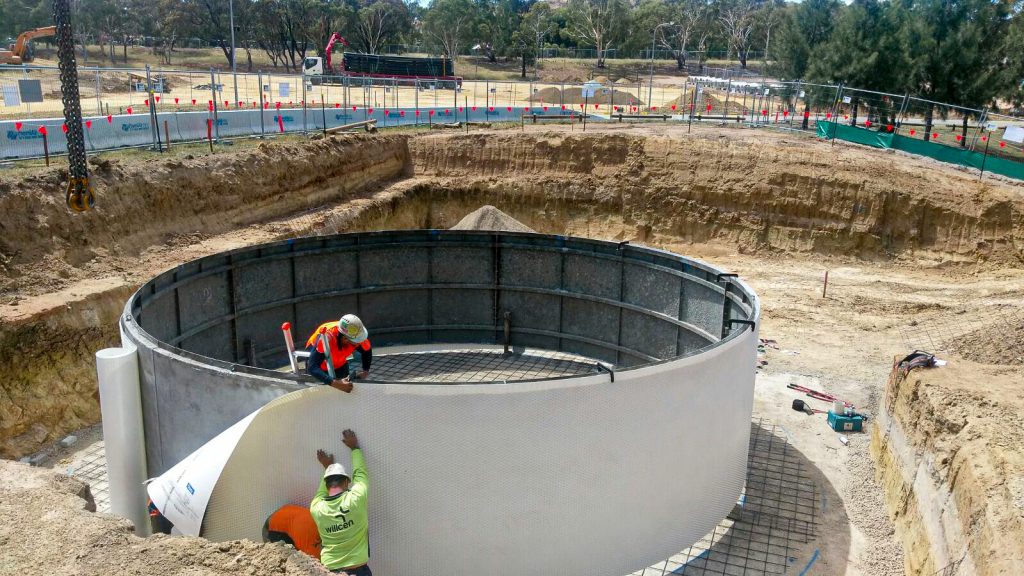
Site accessibility and logistics coordination presented significant operational challenges during construction. The Beaver Place industrial area’s developing infrastructure required careful staging of construction activities to avoid disruption to existing utilities while maintaining safe working conditions around active roadways. Our construction team implemented specialised excavation techniques and sequenced work phases to accommodate the substantial depth requirements for the 3.75-metre pump well while managing groundwater infiltration and soil stability concerns.
The integration of dual submersible grinder pumps within the confined pump well environment demanded precise mechanical engineering to ensure optimal pump positioning, adequate clearances for maintenance access, and proper hydraulic performance under varying flow conditions. Electrical system design presented additional complexity, particularly regarding control panel configuration and integration with Walcha Council’s existing SCADA monitoring infrastructure. Our electrical engineers developed sophisticated control algorithms to manage alternating pump operation, alarm systems, and remote monitoring capabilities while ensuring compliance with Australian electrical standards and council-specific operational protocols.